
Across the North of England, businesses are rethinking how and where they work. Traditional office models are being replaced by more flexible, cost-effective solutions that better reflect modern needs. Flexible workspaces are playing a central role in this shift, helping organisations adapt to changing expectations and economic conditions.
As companies look beyond London for opportunity, Leeds has emerged as a key destination. Its strong economy, skilled workforce and strategic location make it an attractive base for organisations of all sizes. At the same time, the rise of flexible workspaces is making it easier than ever for businesses to establish a presence in the region.
Leeds: A Growing Northern Powerhouse
Leeds has long been recognised as one of the UK’s leading regional business centres. With strengths in finance, legal services, digital industries and healthcare, the city continues to attract both established firms and ambitious start-ups.
What sets Leeds apart is its balance of opportunity and affordability. Compared to London, operating costs are lower, yet the city still offers access to highly skilled talent and excellent infrastructure. Strong rail connections also make it easy to collaborate with other major cities such as Manchester and Sheffield, reinforcing its position within the wider Northern economy.
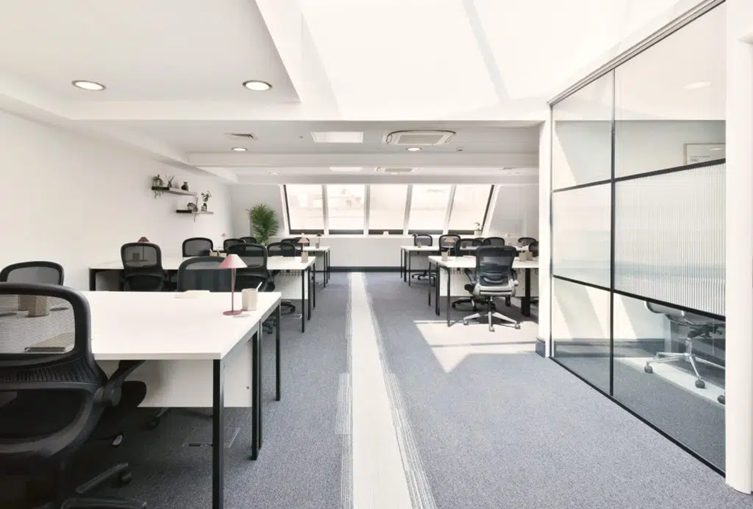
A key factor behind this growth is the increasing demand for serviced offices in Leeds, which are providing businesses with flexible, ready-to-use workspaces in prime locations. These offices allow companies to establish themselves quickly while maintaining a professional presence in one of the North’s most dynamic cities.
Serviced offices have become a vital part of Leeds’ business appeal. By offering fully equipped spaces with support services included, they remove many of the barriers traditionally associated with setting up in a new city.
Why Serviced Offices Are on the Rise
The growth of serviced offices reflects broader changes in how businesses operate. Flexibility has become a priority, driven by advances in technology and shifting expectations among both employers and employees.
Adapting to Hybrid Working
Hybrid working has quickly become the norm for many organisations. Rather than maintaining large offices for full-time use, companies are opting for smaller, more flexible spaces that can accommodate teams when needed.
Serviced offices are ideally suited to this approach. They provide professional environments for collaboration, meetings and client interactions, without the commitment of a long-term lease. This allows businesses to adapt quickly as their needs change.
Reducing Costs and Risk
Financial considerations are another important factor. Traditional office leases often involve significant upfront costs, including fit-outs, furniture and ongoing maintenance. For many businesses, particularly SMEs, these commitments can be restrictive.
Serviced offices offer a more predictable cost structure, with utilities, internet and support services typically included. This makes budgeting easier and reduces the risk associated with long-term commitments.
Supporting Business Agility
In a fast-changing market, agility is essential. Businesses need the ability to scale up or down, enter new markets and respond to opportunities quickly. Flexible workspaces enable this by providing access to office space on demand.
For companies expanding into the North, Leeds offers a practical and accessible entry point. A serviced office allows them to establish a presence without the complexity of managing property, freeing up time and resources for growth.
The Wider Impact on Northern Business
The rise of serviced offices in Leeds is not just a local trend. It is influencing the broader Northern business landscape.
Strengthening Regional Connectivity
Leeds plays a central role in connecting northern cities. Its transport links and economic strength make it a natural hub for collaboration. Businesses based in Leeds can easily work with partners and clients across the region, from Manchester to Newcastle and beyond.
Flexible workspaces support this connectivity by providing accessible meeting and collaboration spaces. Teams from different locations can come together when needed, without requiring permanent offices in multiple cities.
Attracting Investment and Talent
The availability of high-quality office space is a key factor in attracting both investment and talent. Serviced offices provide modern, well-designed environments that appeal to today’s workforce.
Professionals increasingly value flexibility, comfort and a sense of community in their workplace. Serviced offices often include features such as breakout areas, natural light and shared amenities, creating a more engaging environment.
For businesses, this can make a real difference when recruiting. A modern workspace signals that a company is forward-thinking and responsive to employee needs, helping to attract skilled candidates in a competitive market. In addition to workplace flexibility, factors such as long-term financial security, including access to a reliable pension, are also becoming increasingly important considerations for employees when choosing where to work.
Supporting SMEs and Start-ups
Small and medium-sized enterprises are a vital part of the Northern economy, and serviced offices are playing an important role in their growth. By lowering the barriers to entry, flexible workspaces allow new businesses to establish themselves quickly and professionally.
Start-ups, in particular, benefit from the ability to scale their space as they grow. They can begin with a small office and expand as their team increases, without the disruption of relocating.
This flexibility encourages entrepreneurship and innovation, contributing to a more dynamic and resilient regional economy.
A Shift in How Offices Are Used
The rise of serviced offices also reflects a broader change in the role of the office itself. Rather than being a place for routine tasks, the office is becoming a hub for collaboration, creativity and connection.
Employees are more likely to come into the office for meetings, team building and social interaction, rather than everyday desk work. This means that quality matters more than quantity. Businesses are prioritising well-designed spaces that support these activities.
Serviced offices are well suited to this new role. With access to meeting rooms, shared spaces and professional services, they provide everything needed for productive and engaging in-person work.
To Read More: Manchester Independent